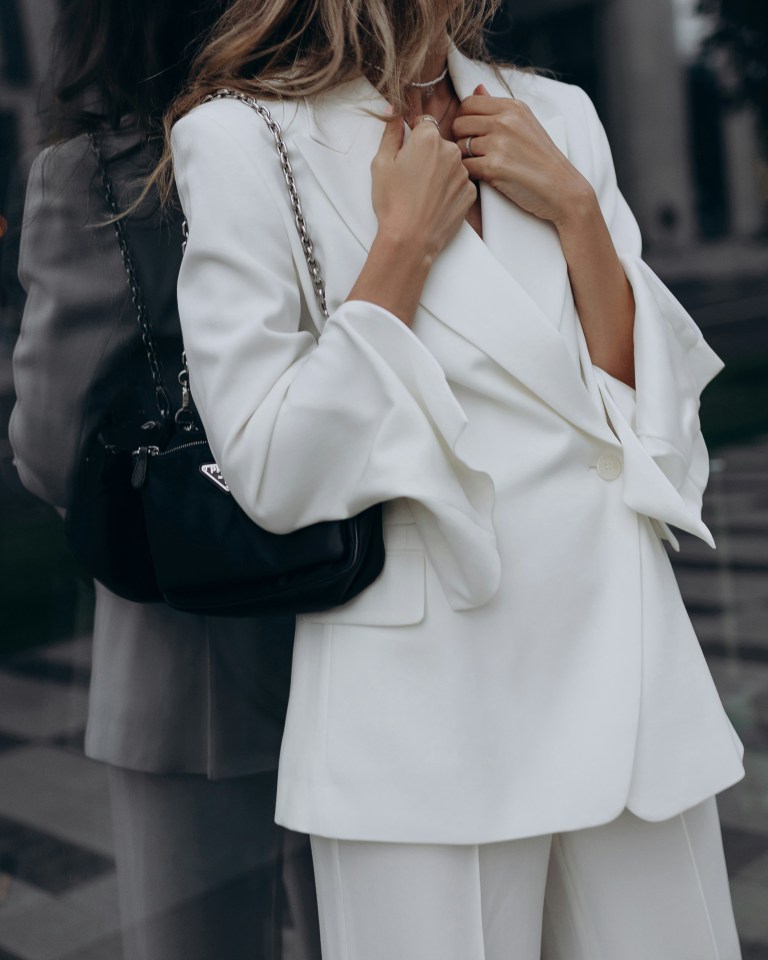
In business, fashion isn’t just about fabric and form—it’s about signal and strategy. The way a leader dresses doesn’t just communicate taste; it broadcasts intention, identity, and influence. In a world where perception can shape opportunity, understanding how fashion interacts with leadership has become an under-discussed superpower.
It’s time to go deeper than “dress for success.” This is about how fashion becomes a language of leadership, how personal style builds authority, and how clothing choices can subtly reinforce confidence, communication, and culture.
Fashion as a Form of Nonverbal Leadership
Before a leader ever says a word, their clothes are already speaking.
Leadership begins with presence—the aura of someone who appears organized, trustworthy, and intentional. Fashion plays a massive role in that first impression. Consider Steve Jobs’ black turtleneck, Barack Obama’s tailored navy suits, or Anna Wintour’s sunglasses and structured silhouettes. Their wardrobes became a part of their brand because they were deliberate and consistent.
Research from Princeton University shows that people make judgments about competence and trustworthiness within a tenth of a second of seeing someone. Leaders don’t always get to explain who they are, but their wardrobe tells a story anyway. The color, fit, and texture of clothing all influence perception. A well-chosen outfit can become a visual shorthand for authority.
In essence, fashion leads before you do.
Leadership Style Is a Wardrobe of Choices
Every great leader has a “signature look,” whether they intend to or not. But it’s not about vanity—it’s about consistency.
Fashion, when used intentionally, is about decision energy. The late Steve Jobs wore the same outfit daily because he didn’t want to waste mental bandwidth on clothing decisions. This minimalist approach mirrors leadership efficiency—focus energy where it counts.
But other leaders, especially in creative and public-facing industries, lean into expressive fashion. Think of Rihanna as a business mogul—her style is not just aesthetic, it’s strategic storytelling. Each outfit tells her audience that she’s bold, evolving, and unafraid of risk. That’s leadership through fashion—using appearance to amplify message and mindset.
So when it comes to leadership style, your wardrobe choices mirror your management choices:
Are you consistent or spontaneous?
Do you prefer structure or flexibility?
Are you detail-oriented or big-picture?
Fashion doesn’t just reveal who you are. It can train you to become who you’re becoming.
The Psychology of Power Dressing
“Power dressing” isn’t about expensive suits or luxury labels—it’s about psychological priming.
In psychology, the concept of “enclothed cognition” refers to how clothing affects the wearer’s thoughts, emotions, and performance. When you put on a blazer, your posture changes. When you wear something tailored, your confidence subtly lifts. Studies show that people perform better on tests, negotiations, and interviews when they dress slightly above the expected level.
That’s not superficial—it’s neurological.
The clothes you wear send messages not only outward but inward. They become a mirror of your potential. When you dress as the kind of leader you want to be, your brain starts acting as if that’s already true.
Fashion, in this sense, becomes a leadership training tool.
A leader’s closet isn’t vanity—it’s a tactical environment for mental readiness. Just as athletes wear uniforms to shift into competition mode, leaders can use fashion to trigger leadership state of mind.
Cultural Sensitivity and Global Leadership Through Fashion
In a globalized economy, leaders often interact with diverse cultures—and fashion can either build bridges or barriers.
Leaders who understand cross-cultural attire norms demonstrate respect, adaptability, and awareness. Wearing culturally inappropriate or overly casual clothing in formal international meetings can damage credibility instantly. Conversely, showing cultural appreciation through thoughtful attire (like modest dress in certain regions or color symbolism in others) communicates intelligence and humility.
Fashion can become a form of diplomacy.
Jacinda Ardern’s traditional Māori cloak, worn at state events, isn’t just an outfit—it’s a statement of unity. Similarly, leaders in international corporations who adapt their style to the context show that they lead not just with intellect but with empathy.
That’s leadership maturity expressed through wardrobe—understanding when to stand out and when to blend in.
Fashion as Culture-Building Inside Teams
What leaders wear sets the tone for what their teams believe is acceptable.
A leader in a luxury fashion house dressing in sweatpants might create confusion. A creative agency CEO dressing too formally might stifle creative freedom. Employees mirror leadership cues—even in what they wear.
That’s why leaders set the culture through their clothes.
The goal isn’t to impose uniformity but to create clarity. Your clothing should align with the organizational tone:
Innovative companies thrive under expressive, individualistic style.
Corporate finance environments rely on structured, neutral professionalism.
Startups often balance comfort with quiet authority—hoodies meet confidence.
What a leader wears communicates permission: “This is who we are. This is how we show up.”
It’s not about vanity—it’s about visual coherence.
Authenticity: The Most Underrated Fashion Accessory in Leadership
While style can communicate power, authenticity communicates trust.
Great leaders know when to be polished and when to be real. There’s a reason audiences connect with entrepreneurs who show up in jeans on stage—they’re communicating relatability. Authentic fashion choices—ones that align with your natural taste, body type, and comfort—make leadership sustainable.
Because the moment your fashion becomes performative, it loses credibility.
There’s a difference between dressing strategically and dressing artificially.
Leaders who use fashion effectively understand that style should amplify identity, not disguise it.
Think of Oprah Winfrey, who transitions seamlessly between haute couture and simplicity. Her wardrobe mirrors her emotional intelligence—knowing when to dazzle and when to disarm. That’s a model of authentic influence.
How Fashion Enhances Communication and Charisma
Clothing is nonverbal communication. But it also affects verbal communication.
When you feel confident in what you wear, your body language changes—shoulders back, voice steady, eye contact strong. Leadership communication depends on those cues.
Imagine walking into a boardroom in an outfit that represents your vision, values, and capability. Before you even speak, your team feels your conviction. That’s fashion as charisma enhancement—a quiet reinforcement of confidence.
Even colors have communicative properties:
Blue: Trust, dependability, calm authority
Black: Strength, sophistication, seriousness
White: Clarity, honesty, neutrality
Red: Passion, energy, assertiveness
Green: Balance, growth, creativity
The best leaders understand that color choice can anchor a message. A CEO announcing a rebrand might wear blue to instill confidence. A political figure calling for action might choose red. Each choice adds visual emphasis to verbal intention.
The Evolution of Leadership Fashion: From Hierarchy to Humanity
Leadership fashion used to be rigid—suits meant authority. Now, fashion in leadership is contextual and human.
The pandemic redefined “professional.” Video calls normalized remote presence and blurred the line between casual and corporate. What emerged was a new kind of leadership fashion—one rooted in authenticity, adaptability, and comfort. Leaders learned that people follow energy more than attire.
Today’s modern leader uses fashion as a bridge, not a barrier.
They know when to dress up to inspire confidence and when to dress down to create connection. This flexibility signals emotional intelligence—a key leadership trait.
As workplaces evolve toward hybrid environments, fashion becomes more symbolic than structural. Leaders who embrace this shift understand that being relatable is just as powerful as being respected.
Fashion as a Strategic Leadership Asset
Some leaders invest in media training or public speaking—yet overlook how fashion multiplies those efforts.
If you think about it, your outfit is your first form of branding. It influences media impressions, social content, and personal branding visuals. Entrepreneurs who appear consistent across platforms (their wardrobe, tone, and message) project alignment. And alignment equals trust.
This is why top-tier coaches, authors, and executives often develop style systems—a consistent palette, silhouette, or accessory theme. It saves time and strengthens memorability.
When your audience can instantly recognize you by your look, you’re not just a leader—you’re a brand.
Case Study: Michelle Obama and the Art of Purposeful Fashion
Few modern figures have mastered leadership through fashion like Michelle Obama.
Her style evolution mirrored her leadership growth—from political spouse to independent changemaker. Early on, she used accessible brands like J.Crew to communicate relatability. Later, she incorporated bold designers of color to showcase inclusivity and empowerment.
Every outfit choice became an act of message reinforcement: education, diversity, empowerment, and individuality.
Her book Becoming emphasizes the same philosophy that her fashion embodied—growth, authenticity, and courage.
Her approach shows how fashion can be a leadership narrative—a series of choices that reflect one’s journey, values, and influence.
Fashion and Leadership for Entrepreneurs
Entrepreneurs, in particular, have an opportunity to turn fashion into strategy.
When you’re building a brand, people don’t just buy your product—they buy your energy. And energy is communicated visually long before words ever reach them.
A well-dressed entrepreneur doesn’t need to overcompensate with talking. The clothes create silent authority.
But that doesn’t mean designer labels. It means alignment between message and image. A sustainable fashion founder who wears eco-friendly materials builds trust through congruence. A tech founder in minimal design choices subtly aligns with innovation and precision.
For entrepreneurs, fashion is marketing—an extension of what the brand represents.
How to Build Your Leadership Wardrobe Intentionally
If you’re ready to align your fashion with your leadership identity, use these principles:
Define your leadership archetype.
Are you a visionary, builder, creative, or strategist? Each archetype aligns with different aesthetics—visionaries favor bold silhouettes; strategists lean toward structure.Choose a consistent color story.
Pick 3–5 colors that match your message. Consistency strengthens visual identity and makes outfit selection effortless.Invest in tailoring.
Fit communicates precision. Poorly fitting clothes undermine authority more than any color or brand ever could.Build “uniforms” for major situations.
Have signature looks for speaking events, investor meetings, team days, and media appearances. Predictability saves mental energy and creates branding cohesion.Curate accessories with intention.
Watches, glasses, or jewelry can become subtle trademarks. Think of them as punctuation marks in your visual language.Never let clothes wear you.
Confidence is the real outfit. Your posture, tone, and calm presence complete the look.
Fashion Leadership in the Digital Age
In the age of LinkedIn lives, Instagram reels, and Zoom meetings, digital fashion leadership matters more than ever.
Online visibility amplifies personal branding. Leaders are now photographed, streamed, and shared constantly. Every appearance becomes a branding opportunity—or a branding mistake.
That’s why digital-conscious leaders create adaptable looks that translate well on screen: solid colors, clear lines, and balanced lighting. They understand that fashion in leadership now exists as a hybrid of physical and digital presence.
Great digital leaders also embrace accessibility—they show real moments behind the polished ones. Sharing a mix of professional and authentic outfits builds relatability, especially among younger audiences who value transparency.
Why Fashion Leadership Is the Future
The next era of leadership will not be defined by titles, but by visibility, voice, and values—and fashion interacts with all three.
Visibility: Your image defines how far your message travels.
Voice: Your clothing choices can amplify your confidence and authority.
Values: Ethical and intentional fashion communicates what kind of world you want to lead in.
When those three align, leadership becomes magnetic.
Leaders who understand fashion’s role are not vain—they’re visionary. They know that presentation isn’t the opposite of substance—it’s the partner of purpose.
Leadership is not about copying someone else’s image—it’s about designing your own.
Fashion is one of the few tools that lets you do that every single day.
If you want to lead with clarity, confidence, and conviction, start with what you wear. Let your wardrobe become a visual reflection of your values and your vision. Style yourself as the person your future team will trust to guide them forward.
Because when fashion and leadership meet, presence becomes power.
– Felicia Scott
Leave a Reply